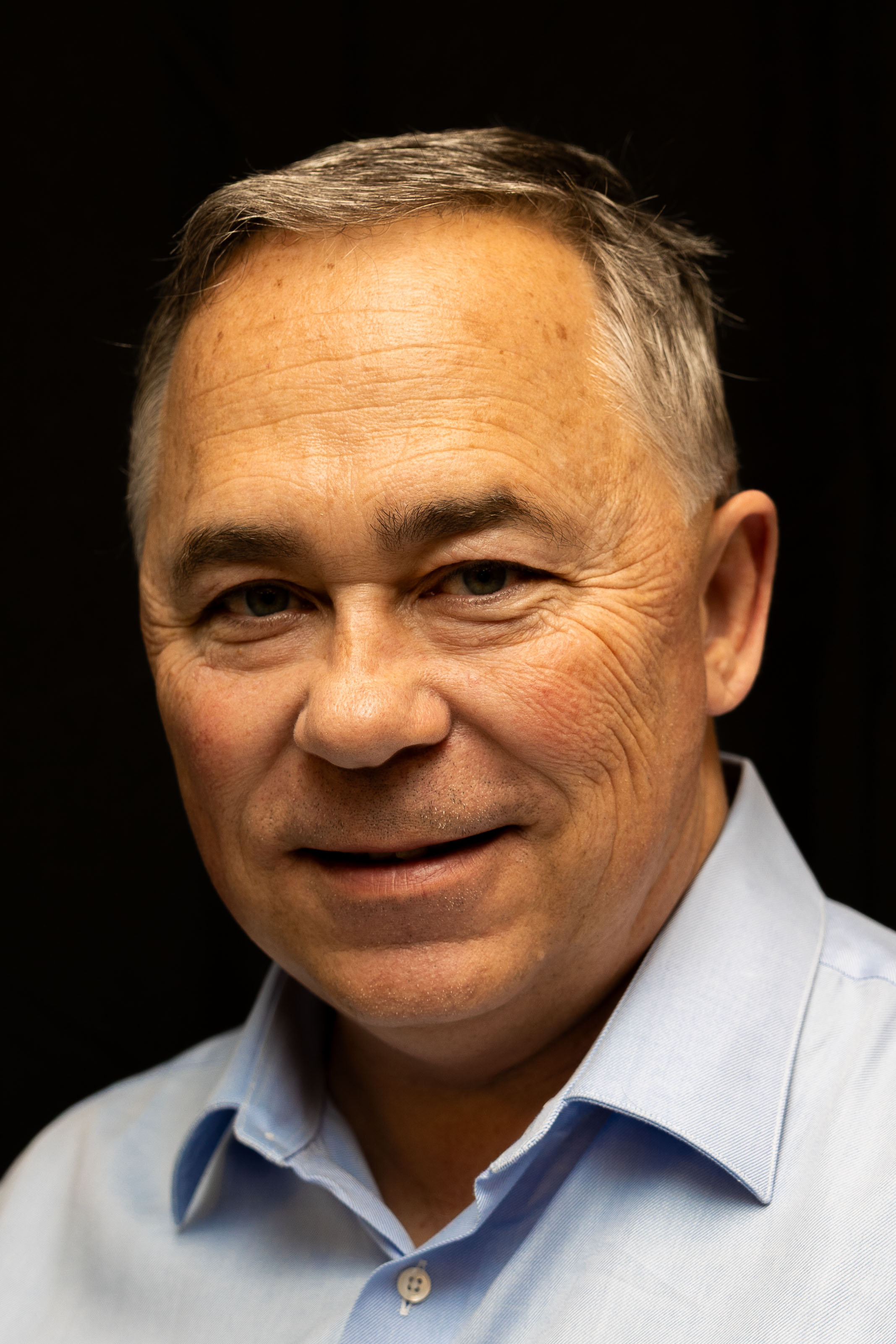
Harold White
Founder and CEO, Casimir, Inc
About
Dr. White brings 30 years of experience in the aerospace and high-tech sectors, with roles at Boeing, Lockheed Martin, NASA, the Limitless Space Institute, and Casimir. For most of his life, he has been driven by a single question: what will it take to move humanity beyond Mars and ultimately to the stars? That question has guided a career of research culminating in a novel power-generating nanotechnology that harvests energy from quantum fields, functioning like a solar panel that works in the dark. To mature and commercialize this technology, he founded Casimir in 2023, with initial applications in ultra-low-power electronics, followed by consumer electronics, mobility, and ultimately space systems. Dr. White holds a Ph.D. in Physics from Rice University, an M.S. in Mechanical Engineering from Wichita State University, and a B.S. in Mechanical Engineering from the University of South Alabama. Throughout his career, Dr. White has been recognized for his technical excellence, leadership, and dedication to human spaceflight. His honors include the NASA Medal for Excellence in Achievement for his role in delivering and certifying robotic inspection tools for the STS-114 mission; the Silver Snoopy Award for identifying and resolving critical robotic arm damage prior to STS-121; the NASA Spaceflight Awareness Honoree Award for STS-122; and the NASA Exceptional Engineering Achievement Medal for advancing power and propulsion concepts for human spaceflight architecture.